
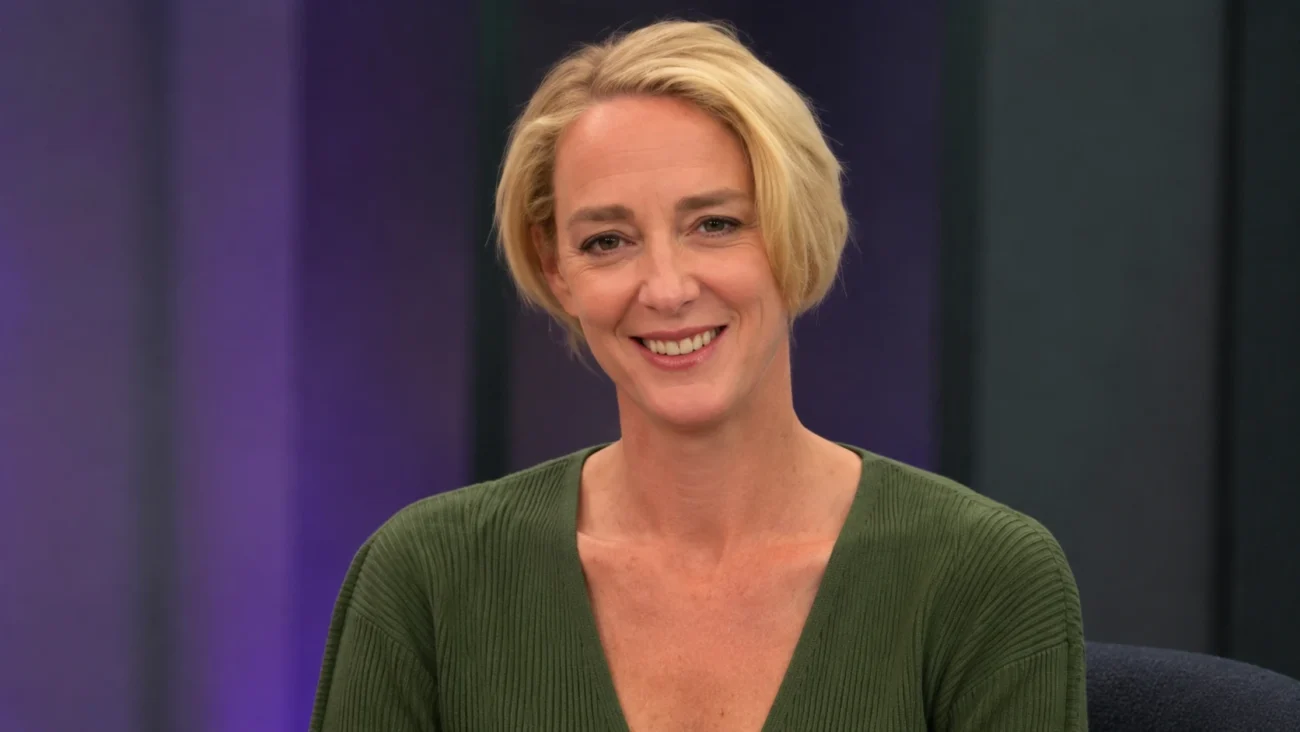
Claire Pearsall is one of those Westminster figures many viewers recognize before they fully know how to place her. She is not a front-bench politician, not a newsroom correspondent in the traditional sense, and not a celebrity commentator built only for television. Her public profile comes from a more practical route: years inside Parliament, service as a Conservative councillor, work as a Home Office special adviser, and regular appearances as a political commentator on British television and radio.
That combination explains why her name is searched so often. Pearsall speaks with the familiarity of someone who knows how political offices work, how party discipline frays, and how government promises can fall apart when they meet real delivery. She is also known to many viewers through her marriage to veteran political journalist Nigel Nelson, with whom she has appeared in lively political discussions. But reducing her to a television guest or a famous spouse misses the longer career behind the public face.
Early Life and Background
Claire Pearsall’s early life is not heavily documented in public sources, and that matters when writing about her responsibly. Unlike elected MPs or major national broadcasters, she has not built a public brand around childhood stories, family memoir, or a detailed personal origin narrative. One public detail, shared by her husband Nigel Nelson, is that she was born in a British army base hospital in Cyprus. That point suggests a family connection to military life, though wider details about her parents, siblings, and early home life remain private.
There is no reliable public record confirming her exact date of birth, school history, or university education. Some online profiles speculate about her age and personal background, but those claims are often unsourced and should be treated carefully. Pearsall’s public story is better understood through her career record than through guessed personal details. The honest answer is that her early years are largely outside the public record.
That privacy is not unusual for someone whose career began behind the scenes rather than in elected national office. Parliamentary staffers and advisers can spend years shaping political work without becoming public figures themselves. Pearsall’s later visibility came because broadcasters found value in her experience, not because she sought a traditional celebrity profile. That gives her biography a different shape from the life story of an MP, presenter, or campaigner.
Building a Career Inside Westminster
Pearsall’s most important professional foundation is Westminster. Public biographies have described her as having nearly two decades of experience in Parliament, including many years as chief of staff to a senior Conservative MP. That title points to a demanding role that sits at the crossroads of politics, administration, judgment, and loyalty. A senior parliamentary staffer helps manage pressure from constituents, party colleagues, policy debates, media requests, and the daily rhythm of an MP’s office.
The role of chief of staff is often invisible to the wider public, but it can be central to how politics actually works. MPs rely on trusted staff to prepare briefings, manage correspondence, coordinate diary demands, track parliamentary business, and handle politically sensitive situations. In offices dealing with controversial subjects, the job also requires calm judgment under pressure. Pearsall’s long service in that environment helps explain the practical tone she often brings to political debate.
Her parliamentary work has been linked publicly with Conservative MP Caroline Nokes. Nokes served as Minister of State for Immigration from January 2018 to July 2019, a period marked by Brexit pressures and intense scrutiny of the Home Office. Pearsall’s known political work sits close to that period and that policy area. It is a reminder that her public commentary on immigration did not appear from nowhere.
Home Office Special Adviser
One of the clearest milestones in Pearsall’s career was her work as a special adviser at the Home Office. Official records from 2018 listed Claire Pearsall as a special adviser to the Minister of State for Immigration. Special advisers, often called SpAds, are temporary civil servants who provide political advice to ministers. They are different from permanent civil servants because their role is explicitly connected to the elected government’s political direction.
The immigration brief was especially sensitive during Pearsall’s time around the Home Office. Britain was working through Brexit, the future of EU citizens’ rights, border control, migration rules, and public concern over Home Office culture. The EU Settlement Scheme and future immigration planning were among the major issues facing ministers during that period. Pearsall was not the minister, but her advisory post placed her near one of the most contested policy areas in British public life.
That experience has shaped how she is understood as a commentator. Pearsall often approaches migration debates by asking whether a policy can actually work, not only whether it sounds tough or compassionate on paper. Her perspective tends to focus on delivery, deterrence, enforcement, and the credibility of government promises. Whether viewers agree with her politics or not, her analysis often reflects someone who has seen the gap between announcement and implementation.
Conservative Politics and Local Government
Pearsall’s political identity is closely tied to the Conservative Party. She has worked in Conservative parliamentary circles, advised in a Conservative-led government department, and served as a Conservative councillor. Her local government record is especially important because it shows she was not only a Westminster professional. She also experienced the slower, more grounded world of council politics.
Public profiles state that she was elected to Sevenoaks District Council in May 2015. She served for eight years, until May 2023, and held a governance-related role during her time on the council. Local government can be less glamorous than national politics, but it is often where public trust is tested most directly. Councillors deal with planning, services, complaints, local disputes, and the practical concerns that shape voters’ everyday lives.
Her council years also coincided with changing political moods in parts of southern England. The Conservatives remained powerful in many areas, but local voters became more willing to support Liberal Democrat, Green, and independent candidates in places once seen as safe Tory territory. Pearsall’s council service ended in 2023, a year when many Conservative candidates across England faced a difficult local election climate. That wider shift forms part of the backdrop to her later commentary on party weakness and voter frustration.
Marriage to Nigel Nelson
Claire Pearsall is married to Nigel Nelson, a long-serving British political journalist and broadcaster. Nelson is widely known for his work as a political editor and political commentator, including many years associated with the Sunday Mirror and Sunday People. Their relationship has drawn public interest because both appear in political media, often from different professional angles. He comes from political journalism, while she comes from Conservative politics and advisory work.
Their joint appearances have sometimes become memorable because they bring a personal dynamic to political disagreement. Viewers see a married couple discussing subjects such as immigration, party leadership, and government competence with the kind of directness that can feel sharper than a standard panel exchange. That does not mean their marriage should overshadow Pearsall’s own work. Her public record as an adviser, councillor, and parliamentary professional stands independently.
Still, the marriage explains part of the search interest around her. People who see the pair together often want to know whether their on-air exchanges are simply television performance or rooted in a real relationship. The answer is that they are married, and both have long experience in political life. Their professional paths overlap in public debate, but they are not the same career.
Media Career and Public Commentary
Pearsall’s media profile has grown through appearances on British television and radio as a political commentator. She has been associated with outlets and programmes including GB News, Sky News, BBC channels, LBC, Radio 5 Live, Channel 5 News, and other political discussion spaces. Her booking value is clear: she can speak as a Conservative insider without sounding like a current party spokesperson. That makes her useful on programmes that want opinion, political memory, and quick judgment.
Her commentary often focuses on immigration, Conservative Party strategy, government delivery, and public trust. She has criticized political mismanagement within her own party as well as Labour policy decisions. In discussions about Conservative leadership turmoil, she has argued against moves that would make the party look more divided and unstable. In migration debates, she has pressed ministers and opponents alike on whether headline policies can produce real outcomes.
That style can be blunt, but it is not random. Pearsall tends to return to questions of competence, numbers, incentives, and whether voters will believe what politicians are saying. In a media age where political claims are often reduced to slogans, her strongest moments come when she tests those slogans against process. That does not make her neutral, but it does make her more substantial than a purely partisan talking head.
Public Image and Political Style
Pearsall’s public image is built around plain-speaking Conservative commentary. She does not usually present herself as detached from politics, and that is part of her appeal to certain audiences. Viewers know she comes from a Conservative background, so they can assess her arguments through that lens. Her credibility depends less on neutrality and more on whether she explains the mechanics of politics clearly.
Her style also reflects frustration with performative politics. She often seems most engaged when discussing whether government systems can deliver what ministers announce. That perspective may come from her experience in Parliament, the Home Office, and local government. It gives her commentary a practical edge, especially on subjects where public anger is high and policy detail is thin.
Not everyone will agree with her conclusions. Pearsall’s views on immigration, party discipline, and Conservative strategy are shaped by her political background. But disagreement is not the same as lack of value. Her role in public debate is to offer a perspective from inside conservative politics, and viewers can then test that perspective against facts, other experts, and lived reality.
Net Worth and Income Sources
There is no credible public source confirming Claire Pearsall’s net worth. Some online biography pages may publish estimated figures, but those numbers should not be treated as reliable unless backed by clear evidence. Pearsall has had several likely income sources over time, including parliamentary work, local council allowances, government advisory work, and paid media commentary. Still, turning those public roles into a precise wealth figure would be guesswork.
Her council work would not have been comparable to a major corporate salary. District councillors usually receive allowances rather than high wages, and those amounts vary by authority and responsibility. Parliamentary staff salaries and special adviser pay bands are more structured, but public records do not provide a full lifetime income picture. Media appearances may also vary widely in fee structure, frequency, and contract terms.
The most responsible answer is simple: Pearsall’s net worth is not publicly verified. She appears to earn from political, parliamentary, advisory, and media-related work, but any exact figure would be speculative. Readers should be cautious of websites that claim certainty without naming strong sources. In public biography, accuracy is better than false precision.
Controversies and Criticism
Pearsall’s public career places her in political debate, so criticism is inevitable. Much of it comes from disagreement with her Conservative views, especially on immigration and party politics. She has argued forcefully on migration policy, border control, and government credibility, subjects that attract strong reactions from all sides. That kind of criticism is part of the role she now occupies.
There is no widely established personal scandal at the centre of Pearsall’s public profile. The more relevant controversies are political rather than personal. Her Home Office advisory period took place during a difficult time for immigration policy, including Brexit transition pressures and wider scrutiny of Home Office decision-making. It would be unfair to attach every departmental controversy to her personally, but fair to say she worked near one of government’s most sensitive briefs.
Her media appearances can also create sharp moments because broadcast politics rewards conflict. A firm exchange on television can be clipped, reposted, and stripped of the full conversation. Pearsall benefits from that visibility, but she is also exposed to the harsher side of political media. That is now part of the job for commentators whose remarks travel far beyond the studio.
Where Claire Pearsall Is Now
Claire Pearsall remains active in public political discussion. Her recent profile is tied to commentary, parliamentary work, and analysis of British politics after a period of major party realignment. She continues to be described publicly as a former Conservative government adviser and political commentator. Her experience makes her a regular voice on issues where Westminster process meets voter anger.
The political environment around her has changed sharply since her Home Office and council years. The Conservatives lost national power in 2024, Labour inherited pressure over migration and public services, and Reform UK continued to challenge the right of British politics. Pearsall’s commentary now sits in that unsettled space. She speaks to audiences trying to understand what went wrong for the Conservatives and what comes next for the wider right.
Her future public profile will likely depend on the same factors that built it. If she continues to explain policy delivery, party discipline, and voter frustration in clear language, broadcasters will keep finding a place for her. She is not a conventional political celebrity, but she has become a recognizable voice in the conversation. That recognition comes from experience, timing, and a willingness to say plainly what she thinks.
Frequently Asked Questions
Who is Claire Pearsall?
Claire Pearsall is a British political commentator, former Home Office special adviser, parliamentary professional, and former Conservative councillor. She is known for discussing UK politics on television and radio, especially subjects such as immigration, Conservative Party strategy, and government delivery. Her background gives her commentary an insider quality rather than the distance of a traditional reporter.
What is Claire Pearsall known for?
She is best known for her work in British politics and her appearances as a political commentator. Pearsall has worked in Parliament, served as a special adviser at the Home Office, and sat on Sevenoaks District Council as a Conservative councillor. Many viewers also know her through televised political debates with her husband, Nigel Nelson.
Is Claire Pearsall married?
Yes, Claire Pearsall is married to Nigel Nelson, a veteran British political journalist and broadcaster. Their marriage has attracted public attention because both discuss politics in the media, sometimes together. Pearsall’s own career, though, is based on her political and advisory work rather than only on that relationship.
Was Claire Pearsall a councillor?
Yes, public profiles state that Claire Pearsall served on Sevenoaks District Council after being elected in May 2015. Her council service is generally described as lasting until May 2023. During that period, she was associated with governance-related work as part of her local government role.
Did Claire Pearsall work at the Home Office?
Yes, Claire Pearsall worked as a special adviser at the Home Office during the Brexit transition period. Official records from 2018 listed her as a special adviser to the Minister of State for Immigration. That role is one reason she is often invited to comment on immigration policy and border issues.
What is Claire Pearsall’s net worth?
Claire Pearsall’s net worth is not publicly verified. Her income has likely come from parliamentary work, political advisory roles, council allowances, and media commentary, but there is no reliable public figure for her personal wealth. Any exact number online should be treated as an estimate unless supported by strong evidence.
How old is Claire Pearsall?
Claire Pearsall’s exact age has not been confirmed in reliable public records. Some websites make estimates, but those should not be treated as fact. Her professional timeline is much better documented than her private biographical details.
Conclusion
Claire Pearsall’s public life is best understood through work rather than celebrity. She has spent years in and around the machinery of Conservative politics, from Parliament to local government to the Home Office. That background gives her media commentary a practical tone that is often sharper than standard party messaging.
Her story also shows how modern political influence is not limited to elected office. Advisers, staffers, councillors, and commentators all help shape how the public understands policy and power. Pearsall has moved through several of those roles, which is why her voice carries weight with audiences interested in Westminster politics.
The most important thing is to separate what is known from what is merely searched. Her career record is public enough to describe clearly, but many personal details remain private or unverified. That boundary should be respected, especially for someone whose public role is political analysis rather than personal exposure.
Claire Pearsall remains a recognizable figure because she speaks from experience at a time when voters are impatient with vague promises. Her place in British public life is not defined by one office or one television clip. It is defined by the long route she has taken through politics, government, local service, and the increasingly demanding world of public commentary.
